
Don't be a Fish
September 10, 2025Recognize and avoid "phishing" attacks on yourself and employees.
September 10, 2025Recognize and avoid "phishing" attacks on yourself and employees.
Many attacks on businesses and organizations are called "phishing" attacks.
If you don't know the origins of this word, read on, and we'll explain some ways and means to avoid being a "phish".
In the 1990s and afterwards, hackers were people who explored computing and software and sometimes broke into commercial, industrial or government websites. Usually the breakin was for bragging rights.
The hackers developed their own subculture and terminology. A common element was changing the spelling of words to show membership in the subculture and to exclude others with a "secret" language.
Some of the terms included
And so on.
The notion of "phishing" comes from the all-too-common and almost unavoidable habit of people to click on a link in an email.
Most links are valid, so why not? Where the victim becomes a "fish" is when the link is fake: it leads to the hacker's duplicate of the actual website.
The duplicates can be very convincing, even with (almost) the same spelling of the web URL.
The "hack" comes when you fill in your account name and password, where the hacker's web page dutifully copies it for the hacker to exploit later.
Sophisticated duplicates will then log you in to the original, and so you will almost never notice the scam.
Other duplicates will announce a "password failure", and redirect your browser to the original. Again, you are unlikely to notice.
There are two parts to this: people click automatically and the habit is so ingrained that it is very difficult to break.
Another critical element is that it is especially easy to make a fake copy of a website. Copying an existing website look is easy with online services based on "artificial intelligence" or AI.
Websites like ChatGPT or Claude or Google Gemini offer software development tools that will create a replica merely by directing the tool at an existing website. This process can be completed quickly and efficiently by a hacker.
Finally, phishing works. Criminals make money transferring money using stolen credentials. Not everyone will click a phishing link and not everyone will fill in details without being suspicious, but enough people are victimized and so the criminals keep doing it.
It is hard to break a habit like clicking so you have to adopt a few methods from the "quit smoking" strategies.
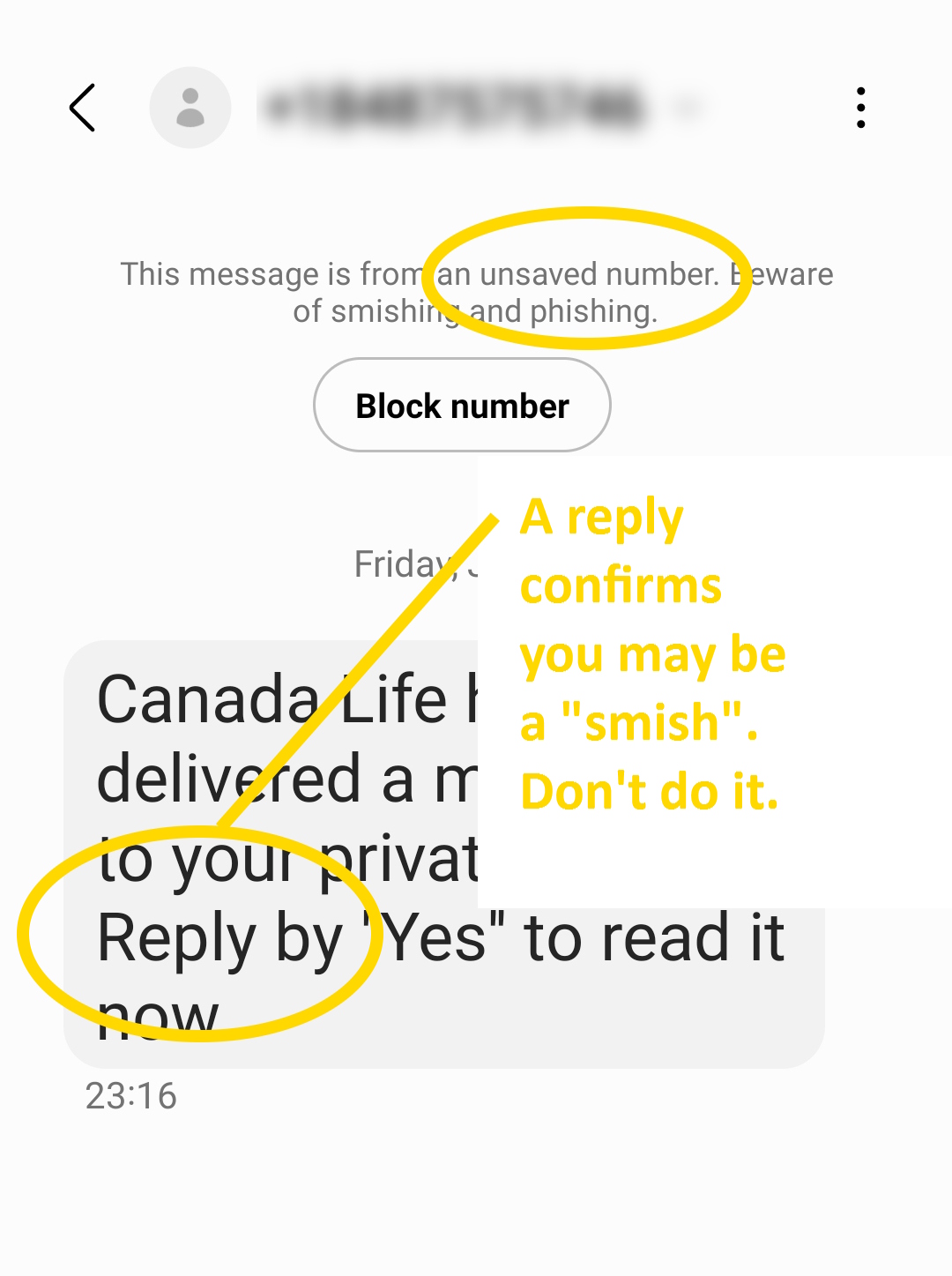
First, most fake links come in emails (or texts on your phone). So you have to change your habits because you are reading emails.
Become very aware you are reading email and therefore you won't click a link on the email. Not unless you look the link over and test it. Or, better, decide to type in the URL yourself, avoiding someone else's idea of what to link to.
Test the link by pointing your mouse at it without clicking. The link should appear in your browser's status bar. If the spelling does not match the expected website, don't click.
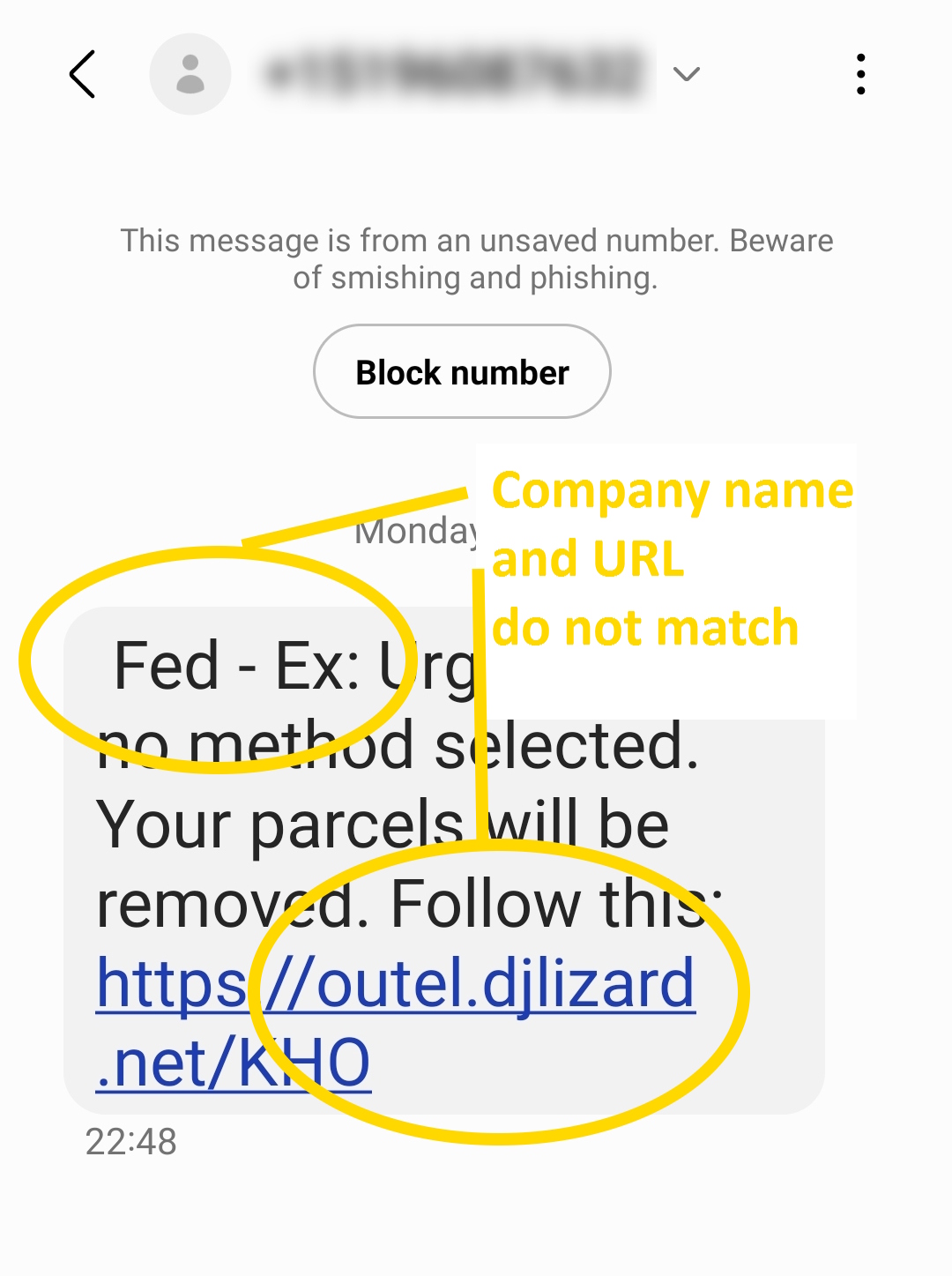
On a phone text, the link is clearly there to read and you can compare that to the website name you expect. If it looks even a little "fishy", don't click.
Developing better habits is one critical method to avoiding the dangers of "phishing."
Latest Articles
September 10, 2025Recognize and avoid "phishing" attacks on yourself and employees.
September 10, 2025Use your fingerprints to unlock your phone, not a code or face.
October 14, 2025Knowing how passwords are stored helps motivate you to make and keep good passwords.
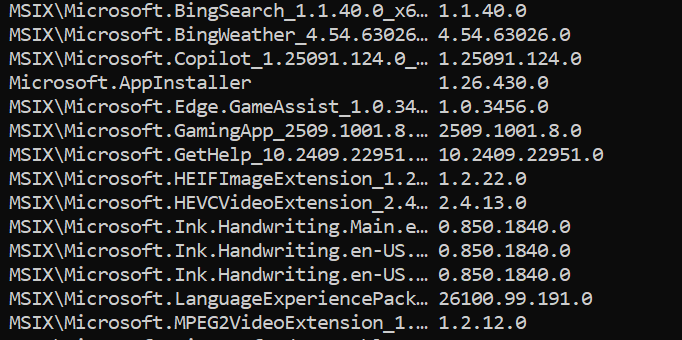
September 24, 2025 updated January 14, 2026Six different ways to list the software apps installed on your computer.
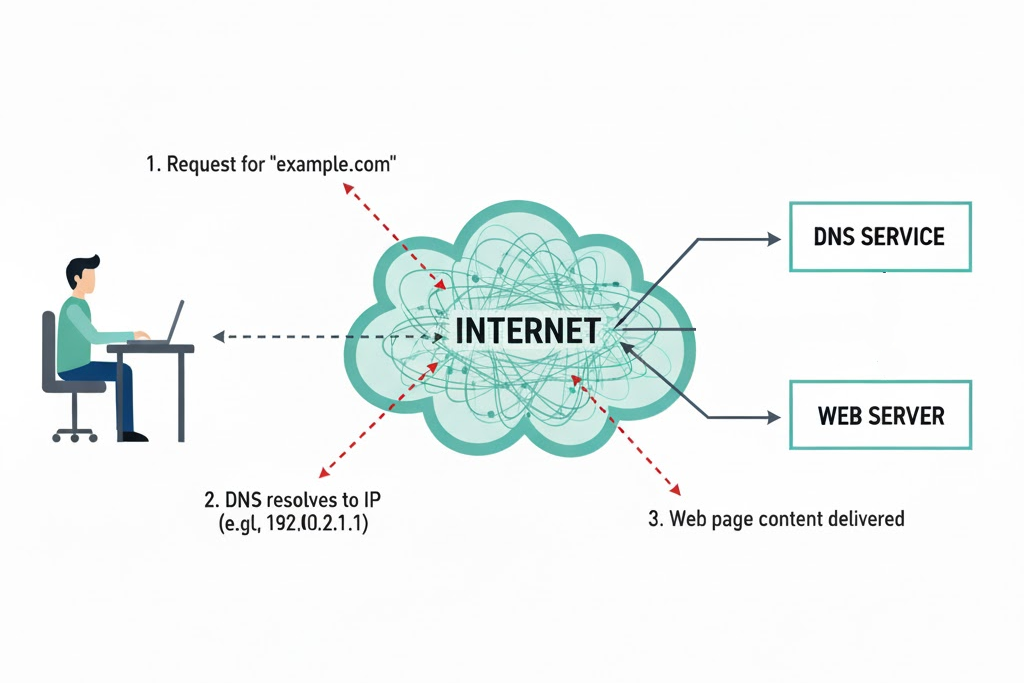
October 27, 2025 updated July 19, 2026Choose Safe DNS for Your Computer
November 19, 2025Well, could they? What are the protections on your ChatGPT sessions?
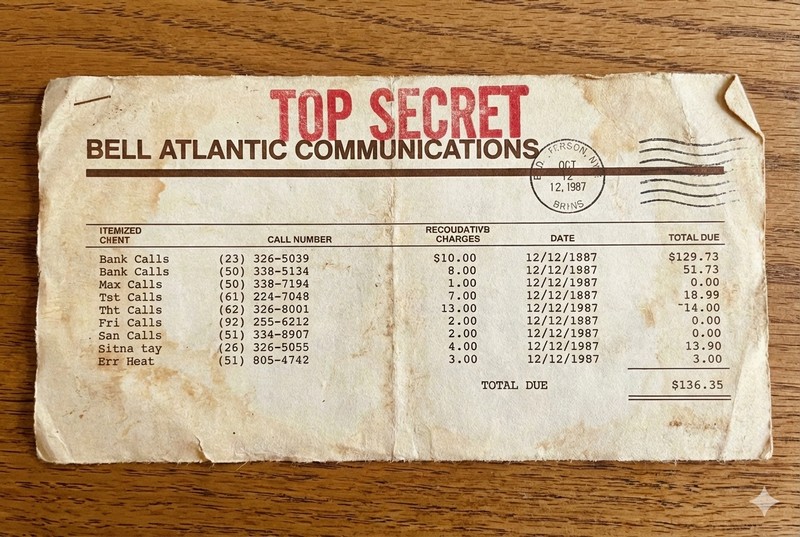
January 14, 2026 updated July 19, 2026Why should my telephone bill be secret? Because your customer and supplier contacts are valuable.
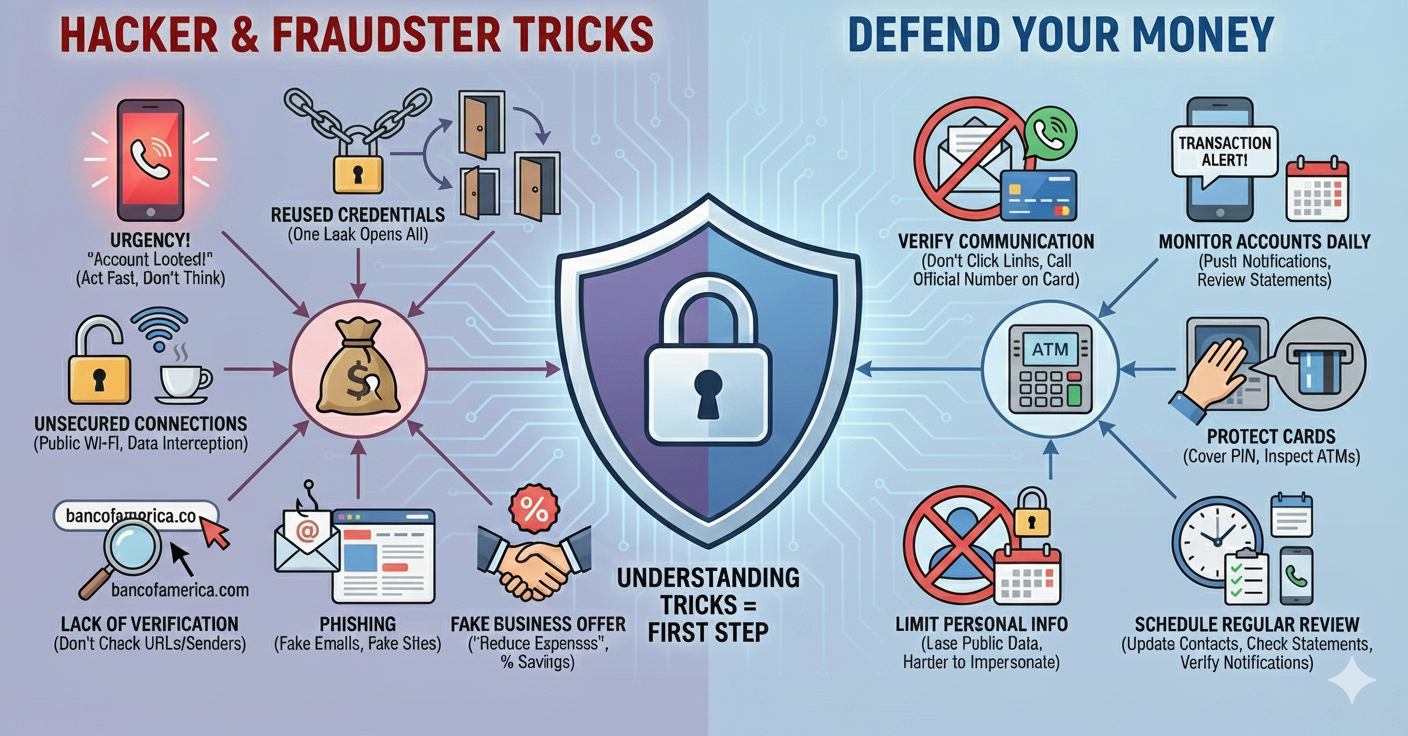
January 8, 2026How do I Defend My Money as a Small Business.
January 15, 2026 updated July 21, 2026We explain the difference between a Recovery Drive and a Windows Installation Drive, and how to use them to recover a broken PC.
February 2, 2026What are three different ways to backup my Windows computer?
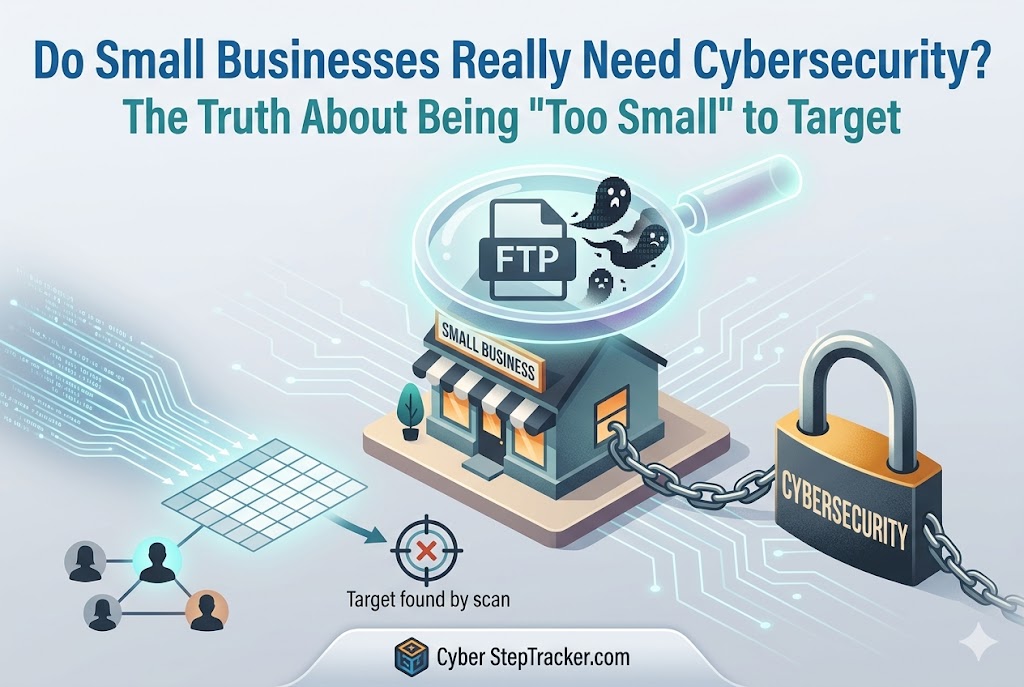
May 15, 2026 updated July 19, 2026We’re just a small shop. Why would a hacker care about us? Because they attack everybody.

May 25, 2026Government and commercially published guides are free. Why use us?
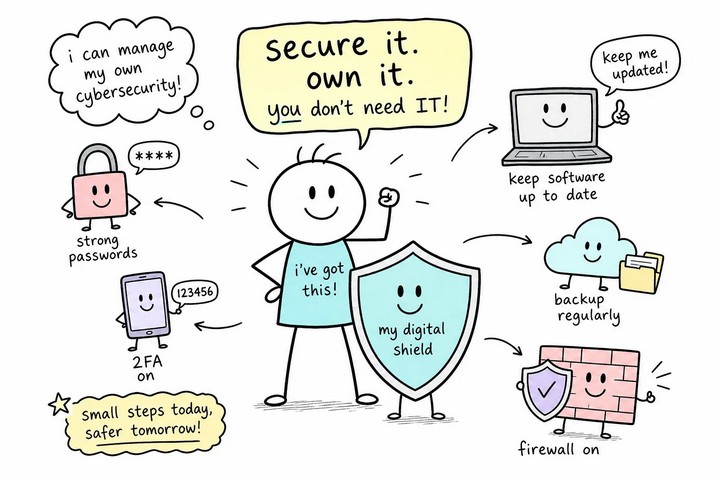
June 20, 2026You can manage cyber security yourself without a computer science degree or a consultant on retainer.
June 30, 2026 updated July 19, 2026When A Cyber Attack Strikes, What Are My Chances Of Recovery?

August 4, 2026With so many password managers, what are the best ones?
August 27, 2026If you need a low-cost solution for cyber security, here is your answer.