
Don't be a Fish
September 10, 2025Recognize and avoid "phishing" attacks on yourself and employees.
September 24, 2025 updated January 14, 2026Six different ways to list the software apps installed on your computer.
We show you six different ways to list the software on your PC.
A critical element of Windows computer security is "update your software as often as possible".
However, Windows does not make it easy to identify exactly what software is installed on your computer.
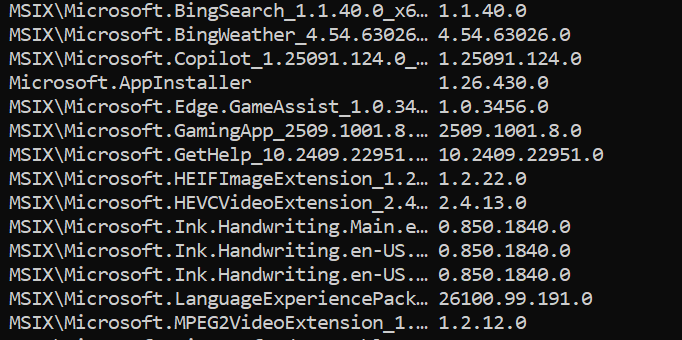
The result is like the tagged photo: a list of dozens or hundreds of runnable software on your PC. However most are built-in Microsoft Windows programs and some are optional features of Windows.
Here is how you can generate this list:
    Hold down Windows-key and "R" at the same time
    A command box pops up
    type in shell:AppsFolder
    click OK
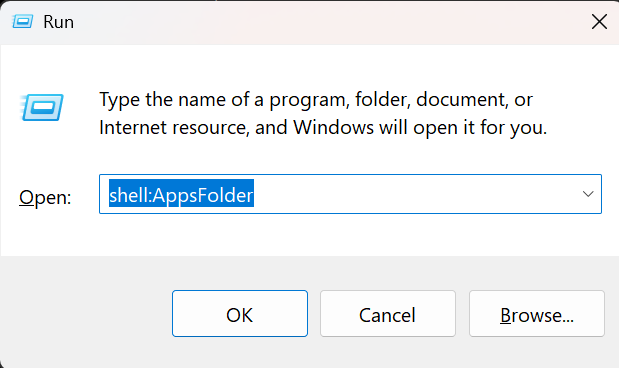
The result looks like this (truncated):

You can double-click to run the program, or right-click to select uninstall or run ("Open"). This is the easiest way to list your software items.
You can get a text listing with the winget command.
Start a CMD program in Administrator mode:
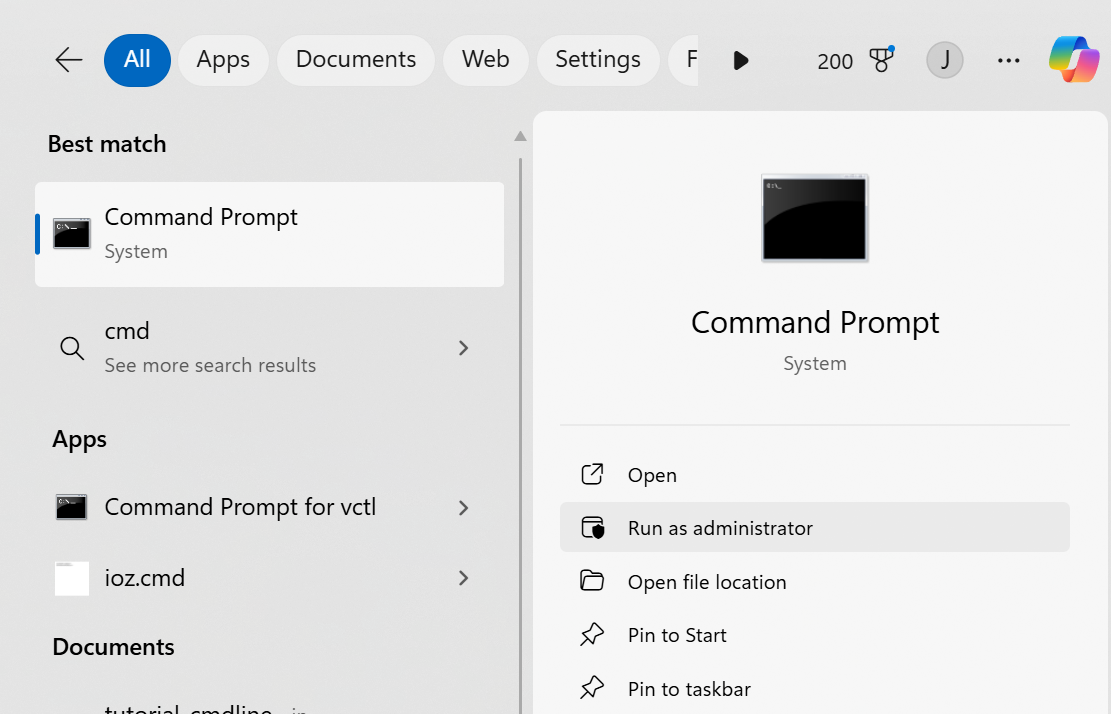
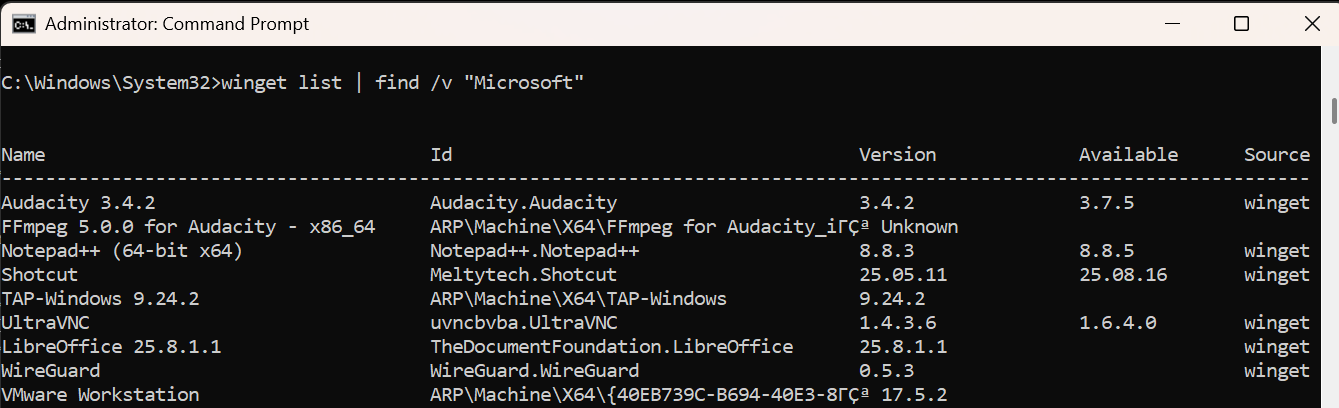
Run "winget list" and see this result (truncated).
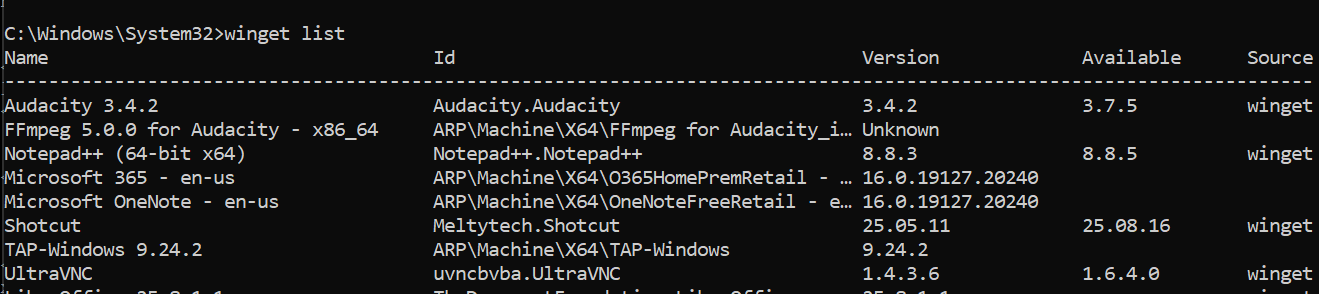
Run "winget list" piped through FIND to avoid the Microsoft items:
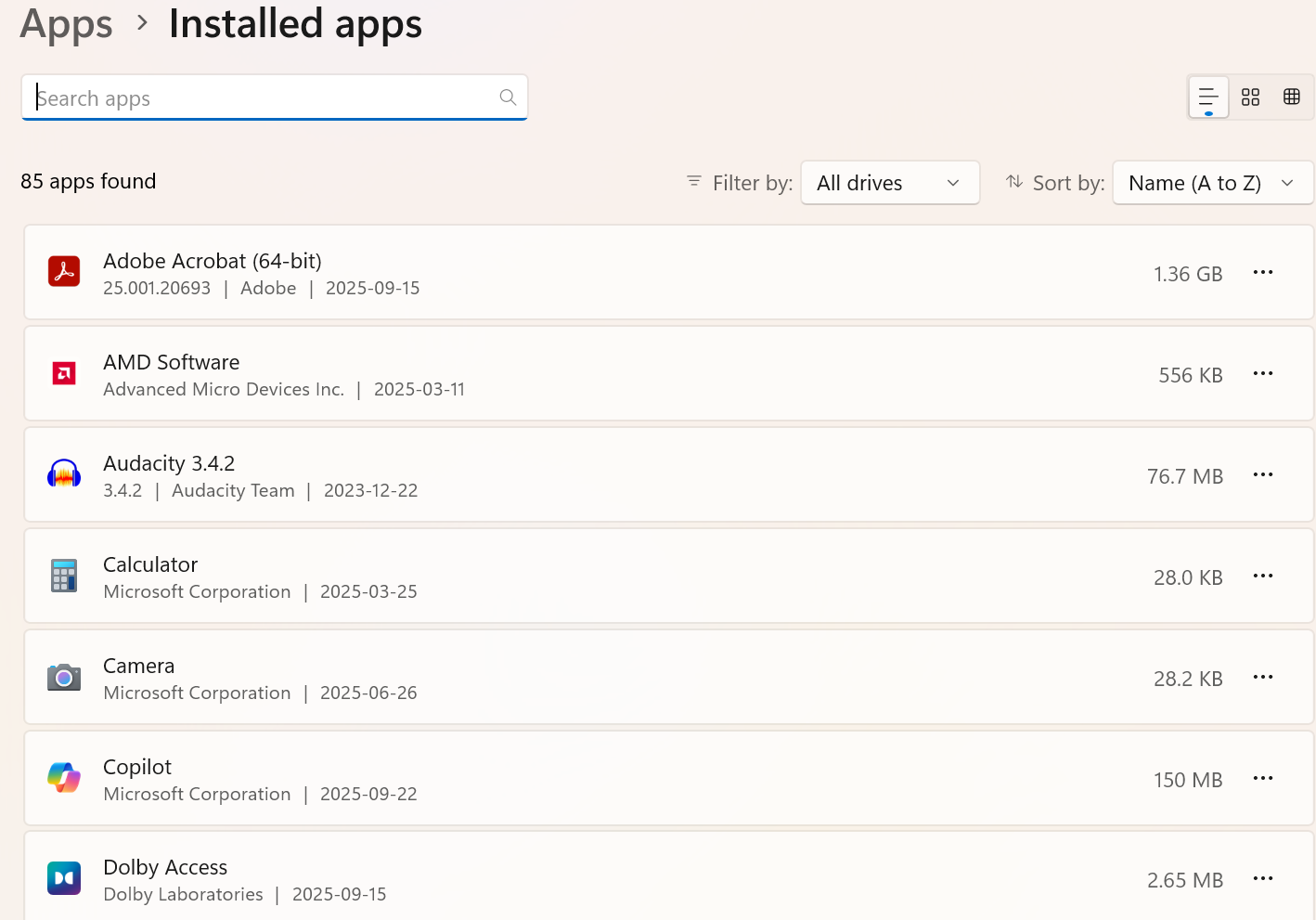
Search for "apps" in the Windows Search box and you will find the usual Apps list:
There is also the tiled view:
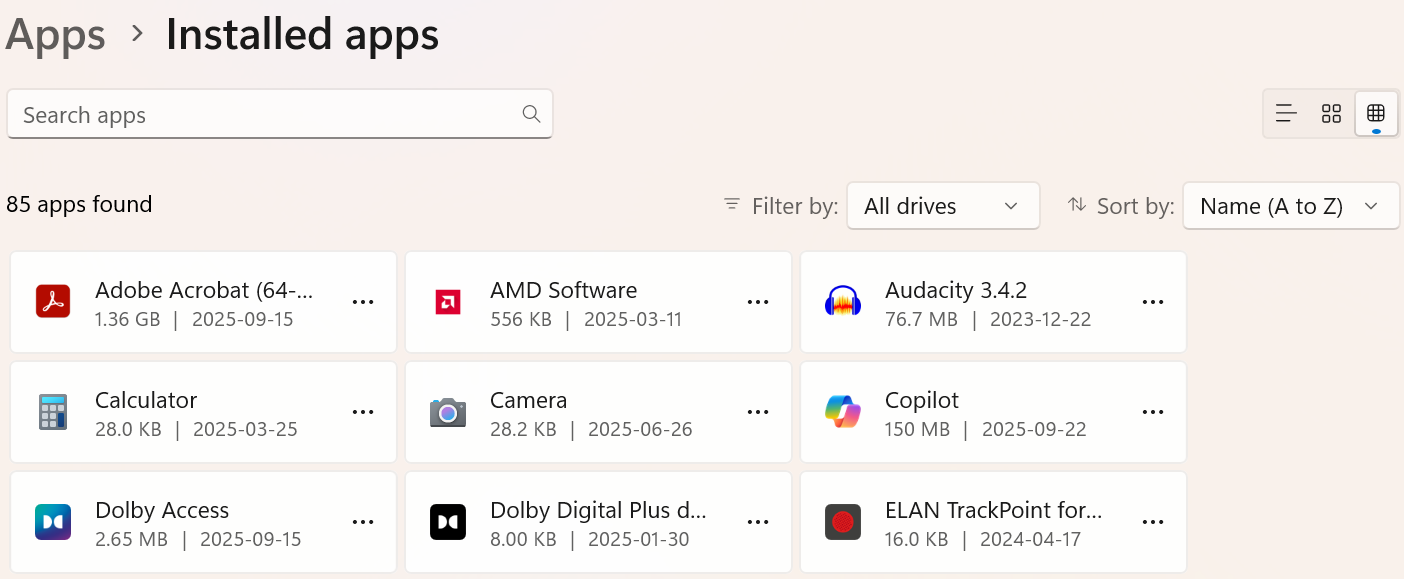
This is fairly useless as it shows only a few of the installed apps.
A WMIC command produces this result:
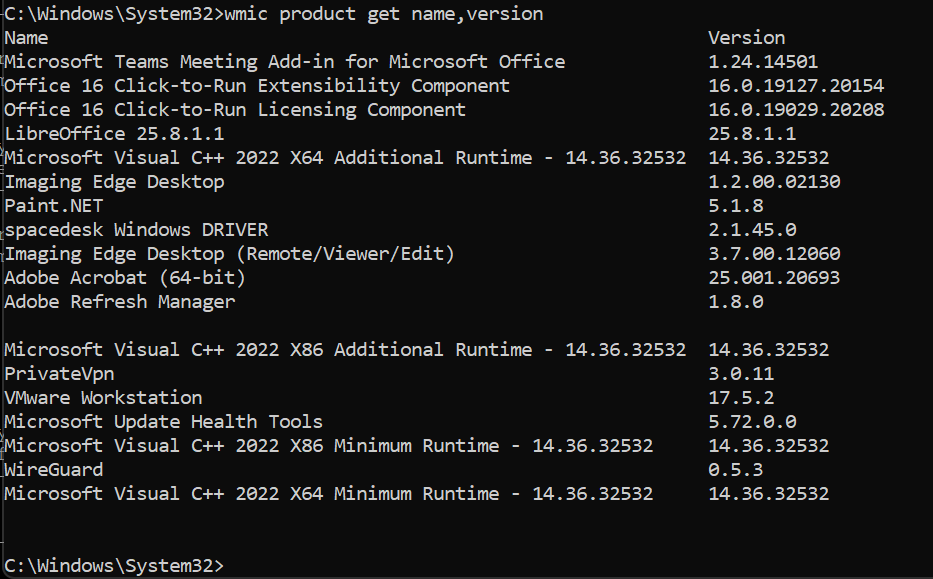
This is also fairly useless as it shows way too much information, and cannot easily be reformatted.
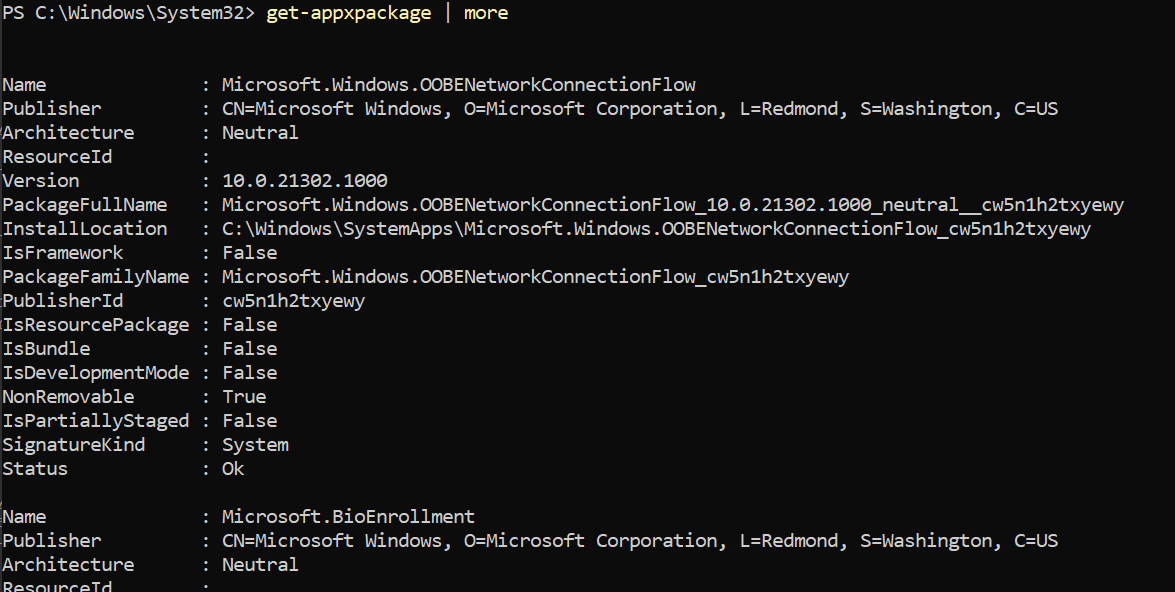
Start PowerShell at the Windows prompt (or from a CMD line).
Type the command "get-appxpackage".
Subscribe to Cyber StepTracker.com for comprehensive instructions, training, and guidelines on reducing your business risk by improving your cyber security!.
That is all.
Latest Articles
September 10, 2025Recognize and avoid "phishing" attacks on yourself and employees.

September 10, 2025Use your fingerprints to unlock your phone, not a code or face.
October 14, 2025Knowing how passwords are stored helps motivate you to make and keep good passwords.
September 24, 2025 updated January 14, 2026Six different ways to list the software apps installed on your computer.
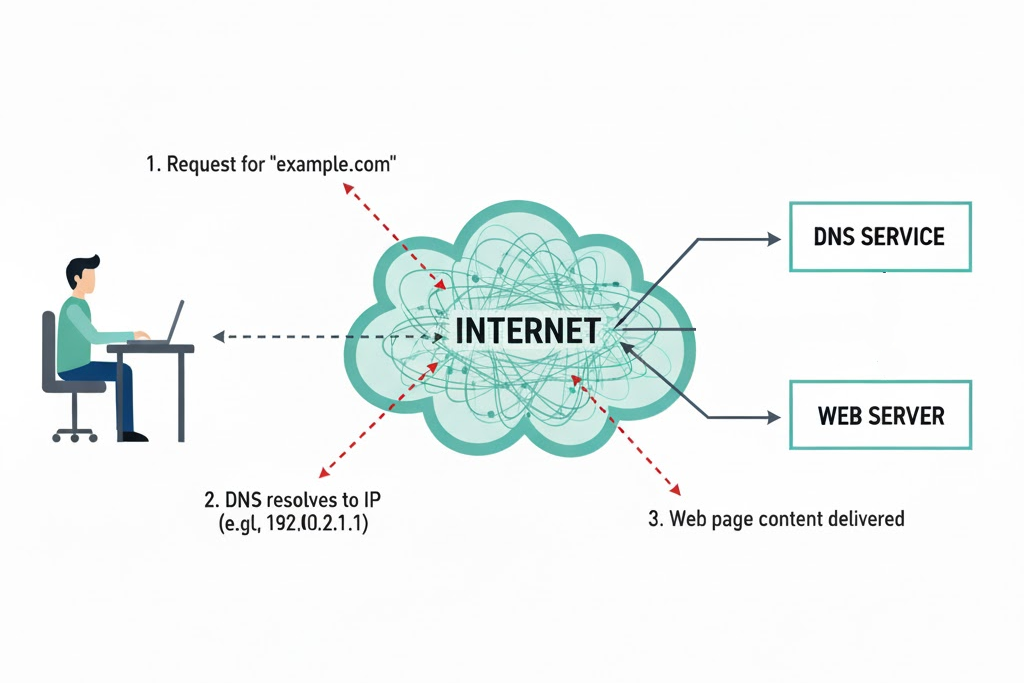
October 27, 2025 updated July 19, 2026Choose Safe DNS for Your Computer


November 19, 2025Well, could they? What are the protections on your ChatGPT sessions?
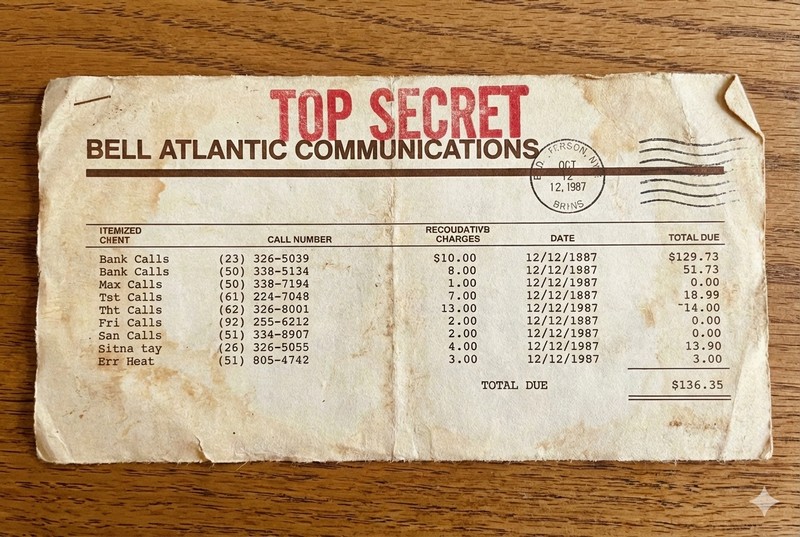
January 14, 2026 updated July 19, 2026Why should my telephone bill be secret? Because your customer and supplier contacts are valuable.
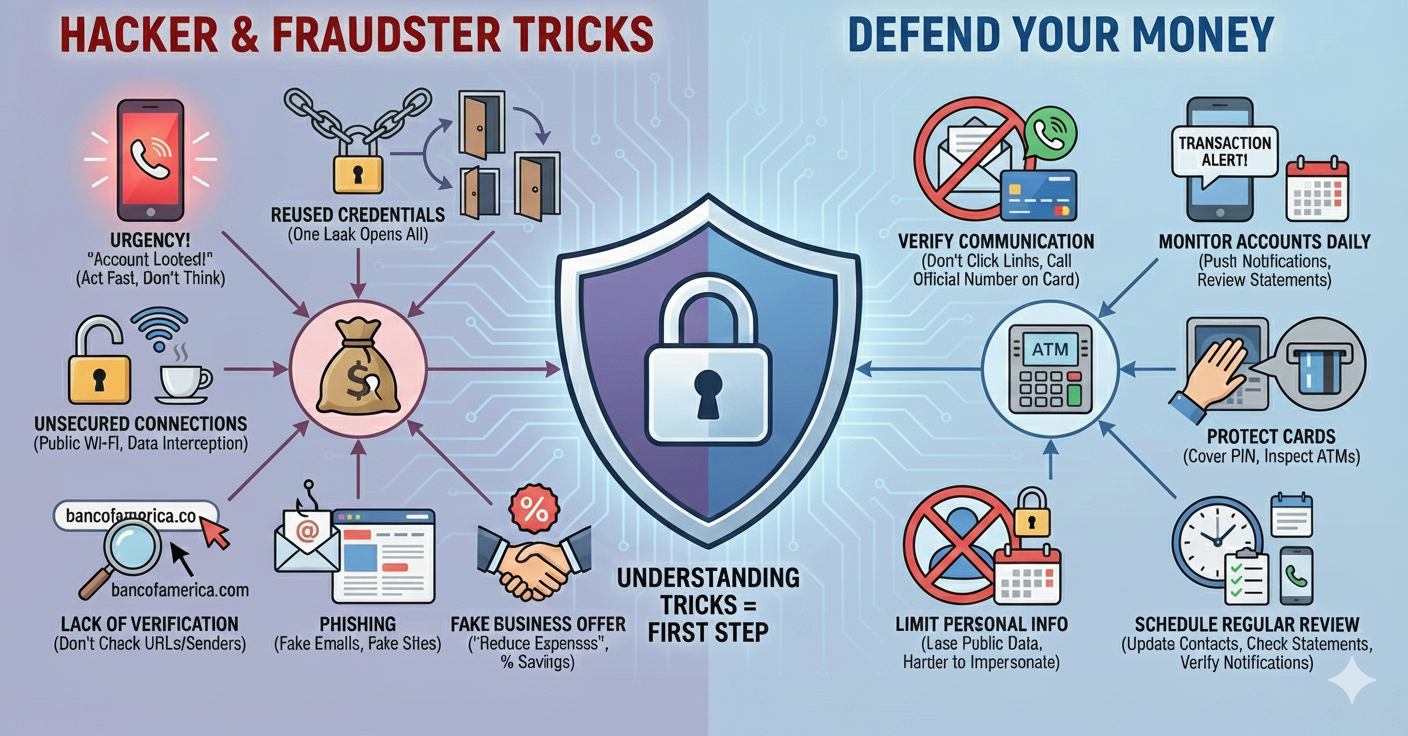
January 8, 2026How do I Defend My Money as a Small Business.
January 15, 2026 updated July 21, 2026We explain the difference between a Recovery Drive and a Windows Installation Drive, and how to use them to recover a broken PC.
February 2, 2026What are three different ways to backup my Windows computer?
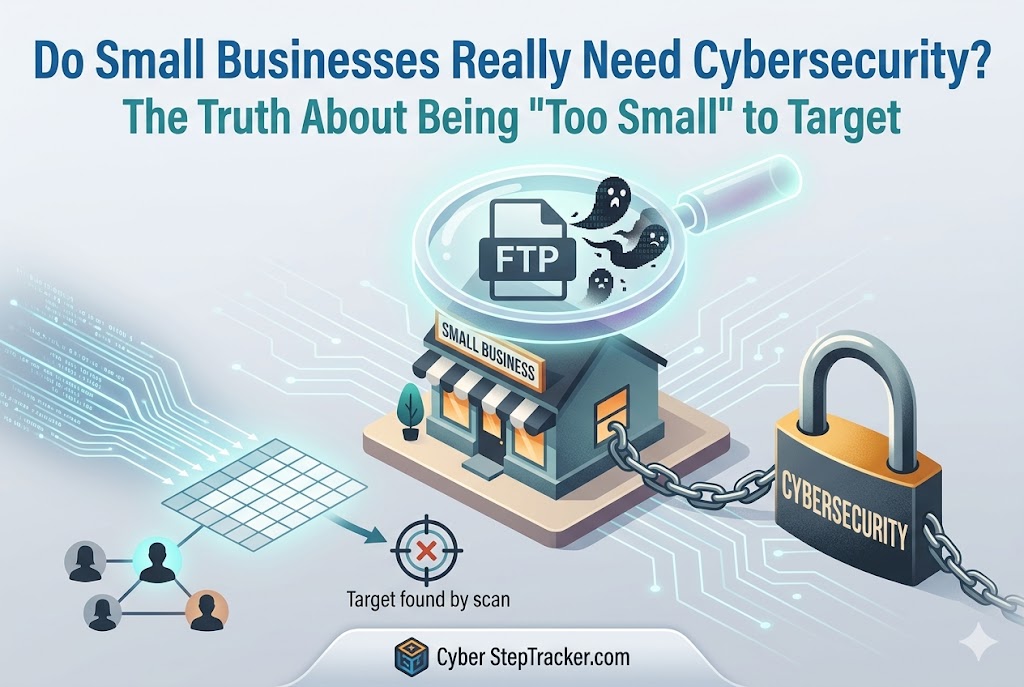
May 15, 2026 updated July 19, 2026We’re just a small shop. Why would a hacker care about us? Because they attack everybody.

May 25, 2026Government and commercially published guides are free. Why use us?
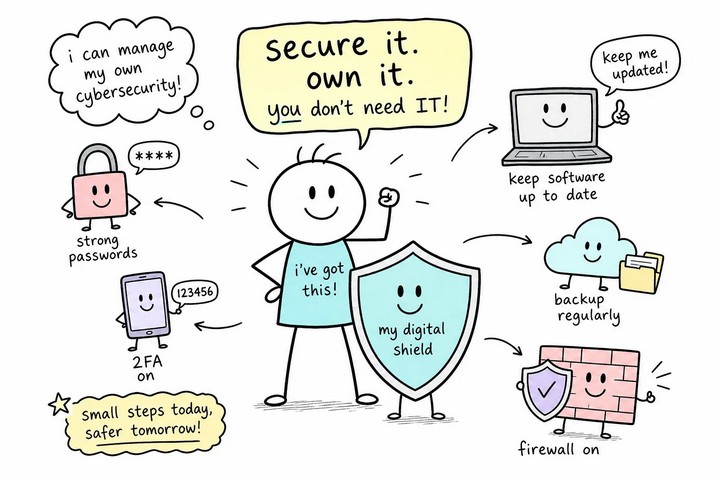
June 20, 2026You can manage cyber security yourself without a computer science degree or a consultant on retainer.

June 30, 2026 updated July 19, 2026When A Cyber Attack Strikes, What Are My Chances Of Recovery?

August 4, 2026With so many password managers, what are the best ones?

August 27, 2026If you need a low-cost solution for cyber security, here is your answer.